ben wrote:
Is the fuel info pictured above, inside the filler cover?
I will check the boot floor inside under the carpet and in the spare wheel well.
I will do my best to see under the carpet of the drivers footwell.
Will check rear axle mounts as mentioned earlier in this thread provided I can correctly identify them.
Will also see if I can see the fuel filler neck. Is this easily accessible i.e. not behind wheel arch liner.
What is the best way to test the sills? Lightly tap them with a hammer?
Is there any else not yet mentioned that I should check?
Does anyone have any photos of the things I need to look out for by way of a comparison of condition?
Yes, there should be a sticker inside the fuel filler flap that tells you what octane rating VW expect you to use. Normal unleaded will be fine, but if your car's meant to use 98 RON, you might find that you need to adjust the timing for 95 RON.
While you're in the boot, check the driver's side arch - there will quite likely be rust at two points where the filler neck bracket holds moisture on the other side (see Delraj and eefy's threads in the Projects section for good examples - in fact Delraj's Storm thread has a good breakdown of the worst you can expect in the likely areas).
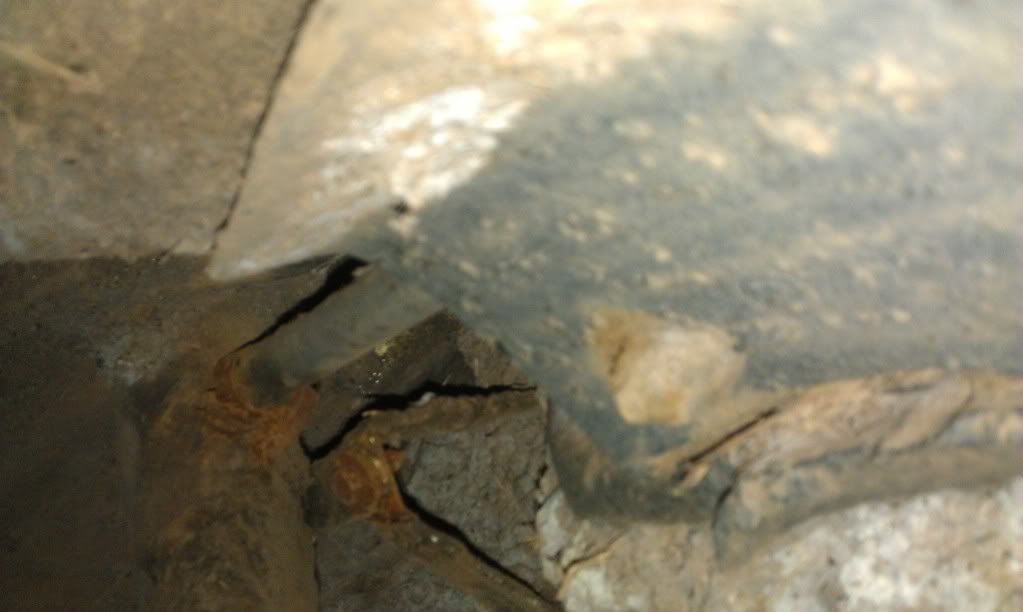
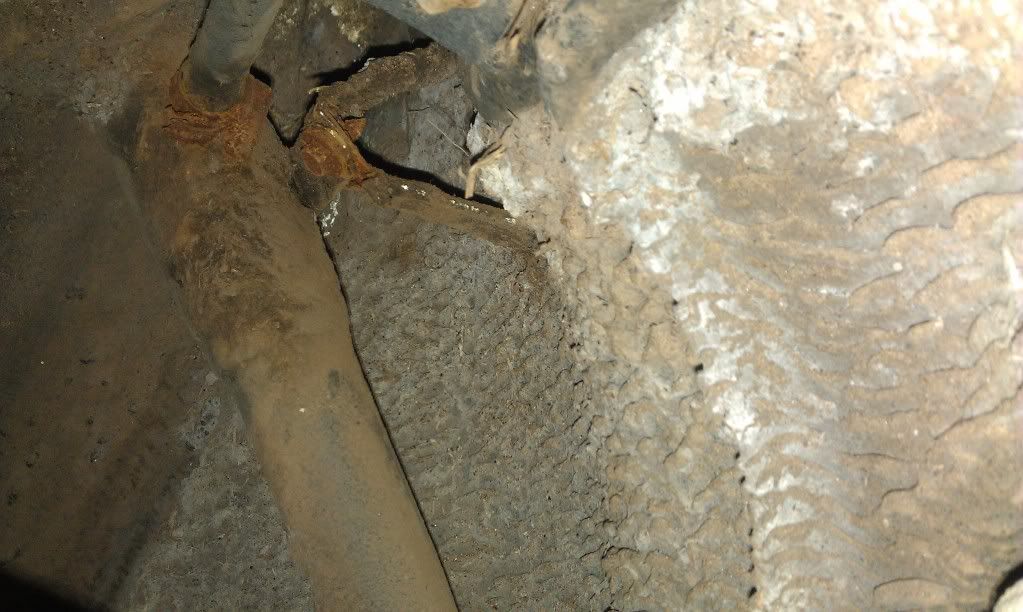
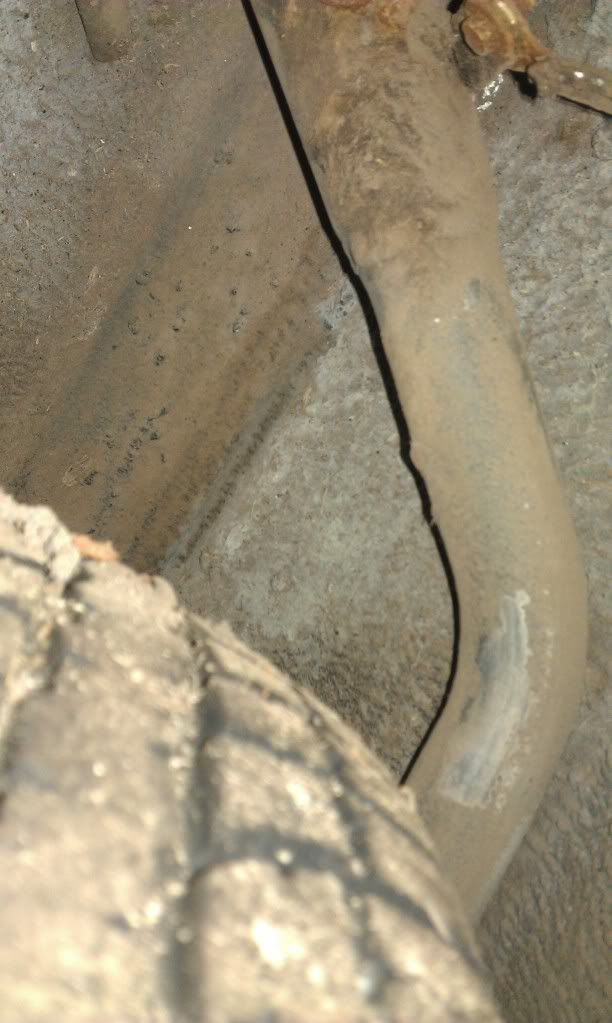
The fuel filler neck is easy to feel behind the driver's side rear wheel - easier still if you can take the wheel off. If the wheel stays on, you will only really be able to feel it, and if it's not smooth (under the inevitable coating of mud/dirt) it's rusty and will need replacing - replacing the filler neck isn't tricky, but cleaning out the fuel system to make sure none of the particles of rust that will have fallen into the tank get as far as the carb/engine is the harder part.
Have a look at the bulkhead inside the engine bay where the clutch cable comes through - it might already have had a strengthening plate fitted, or it might be torn (or looking like it's about to split). If the clutch cable feels very stiff, this might be the culprit.
You should be able to assess the sills just by looking at them, unless the car's been repaired or repainted in the past. Make sure you venture underneath to see the inner edge of the sill where it meets the floorpan.
Wing edges and front and rear valances commonly go frilly with rust. The bases of the A-pillar at the corner of the windscreen and the lower edges of the rear side windows commonly develop rust holes too.
Basically, it's an old car - look for rust everywhere. Stored cars are probably more likely to rot in unusual places.
Insurance depends on how old you are, where you keep the car and where you live. Classic insurance is generally only available to over 25s. If you can keep the car in a garage and specify mileage 3000/yr or less, I would hope you could insure it on a classic policy for between £100-£300.



 Hi Ben